The Truth About Slow-Burning Rolling Papers: How to Choose for a Longer, Smoother Smoke

Last weekend, I hosted a small get-together with friends on the patio. I brought out some of my favorite herbs and a few packs of different rolling papers. I was hoping for a slow, relaxing smoke session. But the joint I rolled with a cheap pack of cigarette rolling papers burned down in less than two minutes. The herbs I had prepared ended up wasted, and the whole experience felt cut short.
That moment pushed me to take slow-burning rolling papers seriously—not as a gimmick, but as a way to avoid wasting herbs and to make each session last. After rolling well over a thousand joints over the years, I’ve noticed a lot of misconceptions about burn speed. Many assume “thicker paper means slower burn,” while others blindly buy “the best rolling papers 2024” without paying attention to materials. The truth is, thickness alone doesn’t determine burn rate.
In this article, I’ll share what really makes papers burn slower, results from real burn tests I’ve done with different paper types, and some practical tips to help you choose the right papers for a better, longer-lasting smoke.
Slow Burn Myths: 3 Core Factors That Really Matter
Like many beginners, I once believed that “thicker paper = slower burn.” But after rolling the same amount of herb with both thin hemp paper and a thick, low-quality paper, I found the thinner hemp paper actually burned 35% slower—and with a steadier flame. Research shows that fiber type, additives, and breathability matter far more than thickness.
1. Fiber Density: Natural Fibers Burn More Slowly
Hemp rolling papers stand out because hemp fibers are longer and denser than traditional wood pulp. The tightly woven fiber structure limits oxygen flow, which slows combustion. In side-by-side tests, hemp papers consistently burned longer and cleaner, with less canoeing or uneven burn.
2. Additives: Go Organic for Cleaner, Slower Burns
Cheaper rolling papers often contain chemical accelerants that make them burn faster—and add unpleasant flavors. By contrast, organic rolling papers use natural fibers without additives or bleach, making them reliable “slow-burn” options. In my tests, organic papers lasted over a minute longer than additive-filled versions of the same size.
3. Breathability: The Golden Zone for Airflow
If papers allow too much airflow, they burn hot and fast. Too little airflow, and they constantly go out. The best slow-burning rolling papers balance airflow so the flame stays steady without racing. High-quality hemp and rice papers often fall into this “golden zone,” offering the smoothest experience.
Burn Test: Hemp vs. Rice vs. Wood Pulp
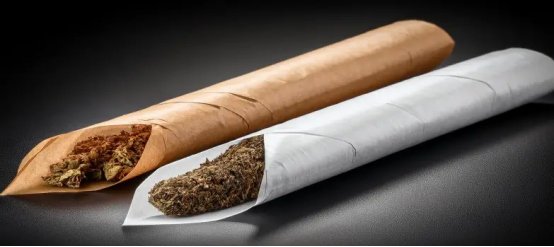
To see the real differences, I tested three popular types of rolling papers—all size 1 ¼, each rolled with 0.5 grams of herb under identical conditions.
Hemp Rolling Papers: The All-Around Winner
Burn Time: 4:10 – 4:50 minutes
Strong fiber structure makes them durable for beginners.
Flame crawls evenly without racing.
Works especially well with rolling papers with tips, which reduce residue and enhance comfort.
Rice Rolling Papers: Clean Flavor, Slow and Smooth
Burn Time: 3:50 – 4:30 minutes
Extremely thin, almost flavorless—perfect for showcasing herb taste.
More delicate to roll; requires even packing.
Great for solo sessions where purity matters.
Wood Pulp Rolling Papers: Fast-Burn Trap
Burn Time: 2:30 – 3:10 minutes
Burn quickly, often unevenly.
Wastes herbs by leaving long, unsmoked ends.
Blended versions (wood + flax) perform slightly better, but still lag behind hemp or rice.
How to Choose Slow-Burning Rolling Papers: 4 Practical Tips
1. Check Material Labels
Hemp rolling papers are the safest choice for reliable slow burns.
Rice papers offer the cleanest flavor—look for “unbleached” or “organic” labels.
Avoid pure wood pulp papers unless you’re in a pinch.
2. Feel the Texture
Good papers have a slightly gritty but flexible texture. Overly smooth papers often contain burn accelerants. Brittle papers are more likely to tear and burn poorly.
3. Pick the Right Size for the Session
1 1/4 rolling papers are ideal for solo smoking.
King size rolling papers are better for group sessions, but choose hemp for stability—rice king size papers are often too fragile.
4. Rolling Technique Matters
Spread herbs evenly to prevent canoeing.
Compress gently; over-packing restricts airflow and causes relights.
If you prefer how to roll a joint without a filter, fold the end into a small triangle before sealing to slow airflow and extend burn time.
Why Slow-Burning Papers Matter
Chasing slow-burning papers isn’t about making sessions drag—it’s about preserving flavor, maximizing herbs, and creating a relaxed rhythm. With the right paper, you won’t constantly worry about relighting or wasting half your joint.
If you’re new, start with hemp rolling papers for reliable slow burns and durability. If you’re after pure taste, try clear rolling papers made from rice fibers—just make sure they’re organic and additive-free.
Question for you: Have you ever had a joint burn way too fast? What’s your go-to brand for slow-burning papers? Share your experience in the comments—we’ll trade tips on how to make every puff last.