Hemp vs. Rice vs. Flax Rolling Papers: A Material Science Breakdown to Find Your Perfect Match

If you’ve ever stood in front of a shelf at a smoke shop—or scrolled endlessly online—staring at rows of rolling papers and wondering which one actually lives up to its promise, you’re not alone. After testing dozens of brands over the years (from budget-friendly packs to premium favorites like Bambu Rolling Papers and RAW Rolling Papers), I’ve learned one thing: the material matters far more than the logo on the package.
Hemp, rice, and flax are the three most common base fibers. But what really sets them apart? Which one best fits your smoking habits? Let’s break it down with a mix of science and real-world experience, so you can find the rolling paper that works for you.
Why Material Matters (My “Failed Roll” Lesson)
A few years back, I grabbed a random pack of cigarette rolling papers at a gas station in a pinch. Big mistake. Ten minutes into rolling, the paper tore halfway through. Once I finally got it together, it burned unevenly and tasted like paper, completely masking the herbal flavor. That was my turning point: low-quality papers = bad smoking experience.
Quality rolling papers made from natural fibers need to balance three essentials:
Burn Rate – Slow and even, no canoeing or scorching.
Durability – Strong enough not to tear while rolling but thin enough to feel weightless.
Flavor – Neutral in taste (unless you opt for flavored rolling papers, which should complement, not overpower, your herbs).
Hemp, rice, and flax fibers each excel differently across these three traits. Let’s take a closer look.
1. Hemp Rolling Papers: The All-Rounder
Hemp rolling papers are the most popular for good reason: they’re durable, eco-friendly, and burn evenly. As someone who rolls daily, I usually reach for pure hemp rolling papers or RAW Rolling Papers, since they check all the boxes.
Why Hemp Works
Hemp fibers are longer and stronger than most plant fibers. That translates into:
Tear-Resistant Rolling: Even if you’re a beginner or working with loose, fluffy herbs, hemp papers hold their shape without ripping.
Slow, Steady Burn: Dense hemp fibers burn at a controlled pace, reducing canoeing and waste.
Eco-Friendly Advantage: Hemp grows fast without pesticides, making it a favorite among fans of organic rolling papers.
Best For:
Daily users who want reliability.
Beginners learning how to roll papers without constant frustration.
Eco-conscious smokers who prioritize sustainability (brands like Bambu Rolling Papers highlight this ethos).
Pro Tip: Hemp’s neutral taste makes it the perfect base if you like experimenting with cherry rolling papers or chocolate flavors.
2. Rice Rolling Papers: The Purist’s Choice
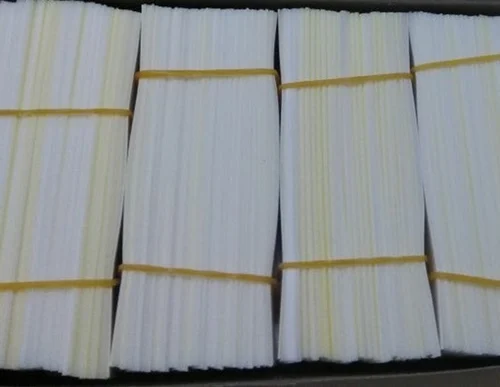
Rice rolling papers are designed for those who want “less paper taste, more herbal flavor.” They’re often the thinnest papers on the market—some brands (like clear rolling papers) are almost see-through. When I smoke premium herbs, rice papers are my go-to because they don’t mask the flavor.
Why Rice Works
Rice starch produces ultra-thin fibers that create:
Barely-There Experience: Clean-burning and almost invisible during the smoke.
Controlled Burn: Faster than hemp but still even, perfect for short sessions.
Light Yet Strong: Quality rice papers (like King Size Rice Rolling Papers) hold up even without filters.
Best For:
Flavor purists who want their herbs to shine.
Fans of clear rolling papers (most are rice-based).
Smokers who roll smaller amounts and want no wasted product.
Note: Rice papers are delicate. If you’re new, start with 1 1/4 rolling papers for easier handling before scaling up.
3. Flax Rolling Papers: The Connoisseur’s Secret
Less common but highly valued, flax rolling papers combine the best of both worlds: thinner than hemp yet stronger than rice. They also add a subtle plant-like aroma, enhancing the experience without needing added flavors.
Why Flax Works
The fine, elastic structure of flax fibers brings:
Smooth Flavor Profile: A mild, natural aroma that blends with herbs instead of clashing.
Balanced Strength & Thinness: More forgiving than rice papers but lighter than hemp.
Cooler Burn Temperature: Reduces harshness, great for sensitive smokers.
Best For:
Smokers seeking a naturally fragrant, refined experience.
Intermediate rollers (flax is easier than rice but still needs a light touch).
Fans of unique papers who want something beyond mainstream brands.
Quick Guide: Match Your Needs to the Right Paper
| Situation | Best Material | Recommended Papers |
| New to rolling / worry about tearing | Hemp | RAW Rolling Papers, Bambu Rolling Papers |
| Want pure herbal taste, no paper flavor | Rice | Clear Rolling Papers, King Size Rice Rolling Papers |
| Prefer mild aroma & refined flavor | Flax | Organic flax papers |
| Love bold flavors & experimenting | Hemp | Cherry Rolling Papers, chocolate flavors |
| Eco-first mindset | Hemp | Pure Hemp Rolling Papers, Organic Rolling Papers |
Rolling Tips: Get the Most from Any Paper
Practice on Budget Papers: Learn pressure control before moving up to premium brands like RAW.
Rolling Without a Filter: Try folding the paper’s end into a small triangle to prevent herb fall-out while keeping airflow.
Store Smart: Keep papers in a sealed container away from sunlight. Moisture makes them soggy; dryness makes them brittle (especially true for flavored rolling papers).
The Bottom Line: Respect the Herb, Choose the Right Paper
Many smokers spend ages picking the right herb but overlook the paper. Yet papers are the bridge between you and your smoke. Whether you’re exploring the Best Rolling Papers 2024, sticking with hemp rolling papers, or experimenting with clear rolling papers, it all comes down to matching your needs with the right material.
If you’re undecided, start with RAW Rolling Papers (hemp) or Clear Rolling Papers (rice)—two classics with broad appeal and high re-purchase rates among seasoned smokers.
Which material do you prefer—hemp, rice, or flax? And do you have tricks for rolling without filters? Drop your thoughts below—we’d love to hear your take.