Taming the Elements: How to Roll the Perfect Joint in Windy Conditions

Last weekend, I tried to roll a joint on the California coast. The wind snatched my paper before I even folded it, scattering the herb all over my jeans. The final product looked like a sad pretzel—uneven and burning irregularly. If you’ve ever fought a gust of wind just to roll a halfway-decent joint, you know the frustration.
But here’s the good news: wind doesn’t have to ruin your smoke session. With the right rolling papers, proper handling, and a few tricks from the field, you can roll clean, sturdy joints even when the breeze is against you.
Step 1: Choose Wind-Resistant Rolling Papers
Not all rolling papers are made equal—especially when the wind picks up. Thinner papers might look sleek, but they tear, flap, or blow away before you can even start. After testing dozens of brands from RAW rolling papers to Zig Zag rolling papers, I’ve found that the paper’s material and finish make all the difference.
Hemp Rolling Papers: Natural Grip and Stability
Hemp rolling papers are made from natural hemp fibers and are slightly thicker than standard papers. The faint texture helps them stay put in your hand without sticking to your fingers. I’ve rolled joints in 15 mph winds using hemp papers without a single tear or misalignment. If you’re looking for balance between grip and flexibility, hemp is unbeatable.
Flax Fiber Papers: Classic and Durable
Traditional white papers, often made from flax fibers, have a subtle waxy feel that gives them extra stiffness. Compared to transparent or flavored rolling papers, they hold their shape better and resist folding in the wind. Even when hit by a strong gust, they stay intact and easy to handle.
Rice Rolling Papers: Lightweight Yet Tough
Rice rolling papers are a surprising favorite. Though thin, they’re resilient and burn slowly—a hidden advantage in windy conditions. Their even burn prevents the joint from wasting away too fast when the wind intensifies.
Avoid clear rolling papers and overly thin flavored rolling papers. They perform fine indoors but are disasters outdoors—either too fragile or too lightweight to control.
Step 2: Three Windproof Rolling Techniques
Even the best paper can’t save you if your technique fails. After years of rolling outdoors—on beaches, in campsites, even on windy rooftops—these are the methods that actually work.
1. Use Your Body as a Wind Shield
Find a low, sheltered spot and sit with your back to the wind. Place the rolling paper flat on your thigh and use your non-dominant palm to press down its top edge. This anchors the paper so it won’t flap or fold. If you must stand, hold it between your palm and your hip to block airflow.
2. Add and Pack the Herb in Layers
Never dump all your herb onto the paper at once. Divide it into three portions. Add the first third and use your fingertip to press a shallow groove. Add the second third and press again, then top it off and shape the joint evenly. Packing gradually makes the roll denser and prevents the herb from blowing away.
3. Seal Quickly Before the Glue Dries
Wind can dry saliva fast, causing the adhesive to fail. Once you lick the gum line, seal immediately—slide your finger from one end to the other two or three times to press and warm the strip. This “finger-slide seal” method ensures a tight closure that won’t pop open even under strong gusts.
Step 3: Real Questions from Rollers (and Real Answers)
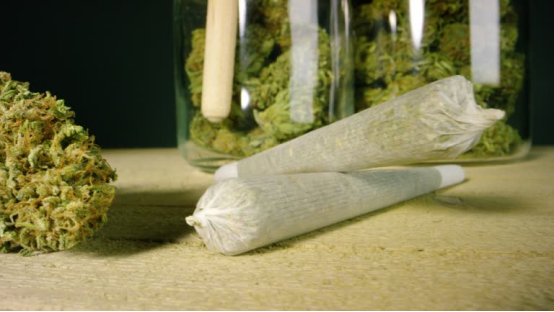
Rolling in the wind often raises the same two questions, so let’s settle them once and for all.
Can You Smoke the Warning Paper on RAW Rolling Papers?
Absolutely not. That small printed slip isn’t meant to burn—it’s inked and can taste bitter or cause uneven burning. I once forgot to tear it off and ended up tossing the entire joint. Always remove the warning paper before rolling.
How to Roll a Joint with Papers Without Filter in Windy Conditions?
Ideally, don’t skip the filter—it gives the joint weight and structure. But if you’re out of tips, tear a small strip from extra rolling papers (preferably hemp or flax fiber) and roll it into a tight cylinder about 5 mm in diameter. Insert it into one end of your joint. It won’t filter much, but it’ll keep your joint steady and prevent collapse.
For a smoother experience, try RAW Classic Black rolling papers or OCB rolling papers—both are easy to roll and hold firm even when the wind’s pushing.
Step 4: Tried-and-Tested Recommendations
If you don’t want to go through endless trial and error, start with these material-based recommendations:
Best for Beginners: Hemp Rolling Papers
Medium thickness, easy grip, tear-resistant. Great for learning how to roll evenly without ripping the paper. Brands like RAW rolling papers and Vibes rolling papers perform exceptionally well.
Best for Durability: Flax Fiber Rolling Papers
Stiffer, resistant to folding, and ideal for outdoor use. Zig Zag rolling papers and Bambu rolling papers both feature strong gum lines made from natural acacia or Arabic gum.
Best for Wind Control: Rice Rolling Papers
Tough yet thin, with consistent burn patterns. The Elements rolling papers line, for instance, features watermarked rice paper that burns slow and steady—perfect for windy environments.
Best Flavored Option for Calm Days
If you still crave a bit of fun, Juicy J rolling papers or Bob Marley rolling papers offer flavored varieties, but save them for calmer settings. They’re great indoors, less ideal for high-wind rolling.
Step 5: Pro Tip – Pack Smart, Smoke Smarter
Rolling the perfect joint in tough weather isn’t about luck—it’s about control. Choose a wind-resistant rolling paper, pack your herb with care, and seal with confidence. Whether you’re on a breezy park bench or camping by the Pacific, the goal is the same: a joint that burns evenly and survives the elements.
Have your own outdoor rolling hack? Drop it in the comments—I’d love to hear how you’ve mastered the wind.