How to Store Rolling Papers in Humid Climates: A Practical Guide

If you live in humid regions such as the U.S. South or coastal areas, you’ve probably faced this issue: freshly opened rolling papers turn soft, damp, and fragile within days. Once moisture sets in, they tear easily, burn unevenly, or worse—develop mold. This doesn’t just ruin the papers; it can also affect the tobacco or herbal blends you roll, leading to a harsh, unpleasant smoke.
This guide is designed for anyone tired of losing rolling papers to humidity. We’ll explore:
The impact of moisture on rolling papers and tobacco.
Storage strategies using the right container and environment.
Which types of papers are more resistant to humidity.
Practical tips for both home storage and on-the-go situations.
How Humidity Damages Rolling Papers and Tobacco
Before solving the problem, it’s important to understand what excess moisture actually does:
Paper degradation: In humid air (often 70–80%+), rolling papers absorb water quickly. Wood pulp papers are especially vulnerable—they soften, lose shape, and can even develop mold within a few days.
Tobacco absorption: Damp papers pull in moisture from tobacco, leaving it sticky and difficult to burn. This often results in uneven burning, a heavy taste, or even a sour flavor in flavored rolling papers.
High waste rate: Our survey with users in coastal and southern regions found that improperly stored papers can see a 60%+ spoil rate, compared to only ~20% in drier climates.
Storage Solutions: Container + Environment Control
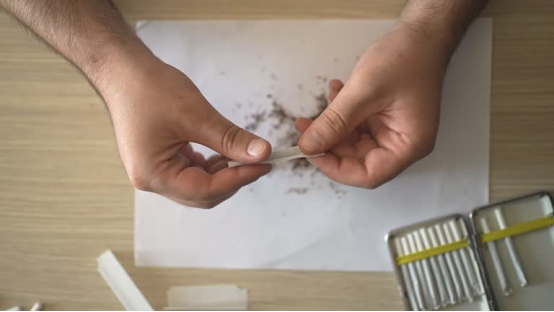
The key to protecting your rolling papers is sealing them off from moisture and choosing the right environment.
1. Choose the Right Container
Metal tins with silicone seals: Block out both light and humidity, keeping papers at an ideal 45–50% humidity level. Add a small food-safe silica gel pack for extra protection.
Foil storage bags: For travel, pack 5–10 sheets into resealable foil pouches. These protect better than plastic and save space in your bag.
2. Store in the Right Environment
Avoid these high-moisture danger zones:
Kitchens and bathrooms (extra steam and daily humidity).
Directly on floors or windowsills (prone to condensation).
Next to AC vents (temperature shifts can cause condensation).
Best spots: desk drawers, closet shelves, or any elevated, dry storage space.
Rolling Paper Types That Handle Humidity Better
Not all rolling papers react to moisture the same way. Here’s how common types perform in humid climates:
| Type of Rolling Paper | Mold Resistance | Moisture Absorption | Storage Recommendation |
| Hemp Rolling Papers | ★★★★★ | Slow | Best option—naturally durable and mold-resistant. |
| Rice Rolling Papers | ★★★★☆ | Medium | Thin and clean-burning, but should be sealed tightly. |
| Wood Pulp Papers | ★★☆☆☆ | Fast | Easy to use, but should be consumed quickly in humid areas. |
| Flavored Rolling Papers | ★★★☆☆ | Medium | Fun to use, but flavors can sour if exposed to damp air. |
| Clear (Cellulose) Papers | ★★★☆☆ | Medium | Unique look, but sensitive to excess humidity. |
Tip: If you want longer storage in humid climates, hemp rolling papers or organic rolling papers are generally the safest bet.
Storage for Different Scenarios
At Home (1 Month or More)
Seal opened packs in foil bags.
Place them inside a metal tin with a silica gel pack.
Store in a drawer or closet away from humid areas.
Refresh the silica pack monthly.
On the Go (1–3 Days)
Carry a small resealable foil bag with 5–8 papers.
Add a mini moisture absorber (food-safe).
Keep in the inner pocket of your bag, away from water bottles or umbrellas.
Conclusion
In humid regions, keeping rolling papers in top condition isn’t complicated—it’s about choosing the right type and storing them properly:
Opt for hemp, rice, or organic rolling papers for better durability.
Always use sealed containers with silica gel or similar moisture control.
Avoid high-humidity areas and store in elevated, dry spots.
For travel, carry smaller portions in foil bags with mini absorbers.
With the right approach, you won’t have to worry about soggy papers, uneven burns, or wasted packs—even during the rainiest seasons.
FAQ
Q: How long can rolling papers last after opening?
A: Properly stored hemp rolling papers can last 1–2 months. Rice papers last slightly less, and wood pulp papers should ideally be used within a few weeks.
Q: Can I replace silica gel with something else?
A: Dry rice wrapped in cloth can work as a temporary substitute, but it’s less effective and should be changed weekly.
Q: My papers are slightly soft but not moldy—are they safe to use?
A: Yes. Lay them in a cool, ventilated space (out of direct sunlight) until they regain firmness. If you see mold or smell anything off, discard them immediately.