How Humidity Affects Rolling Papers and Smart Storage Tips

For enthusiasts of rolling papers, whether for herbs or tobacco, the quality of your smoke starts long before you light up. One key factor that is often overlooked is humidity. Excess moisture or dryness can affect rolling papers in multiple ways—from tearing during rolling to altering burn speed and flavor. Understanding the humidity sensitivity of rolling papers and learning proper storage techniques ensures your papers stay fresh, easy to use, and preserve the taste of your herbs. This article dives into why rolling papers react to humidity and offers practical tips for storage.
Why Rolling Papers Are Sensitive to Humidity
The Delicate Nature of Thin Papers
Most rolling papers are crafted to be thin and lightweight for smooth, even burns. This delicate structure makes them particularly sensitive to moisture. When exposed to high humidity, papers may absorb water from the air, causing them to warp, stick together, or become difficult to roll. Conversely, overly dry conditions can make papers brittle, increasing the risk of tearing.
Material Matters
The type of material also influences how papers interact with humidity:
Raw papers: Lightweight and unprocessed, highly absorbent to humidity.
Clear papers: Made from cellulose or other synthetic materials, moderately moisture-resistant.
Flavored papers: Often slightly thicker due to added flavoring, may resist humidity better than ultra-thin papers.
Understanding your paper material can help you predict how it will perform in different climates and plan storage accordingly.
Optimal Storage Strategies for Rolling Papers
Control Your Environment
Maintaining a stable environment is the first step. Ideal conditions for storing rolling papers are:
Temperature: 65–75°F (18–24°C)
Humidity: 40–55%
Avoid leaving papers in bathrooms, kitchens, or cars where humidity fluctuates drastically.
Use Protective Containers
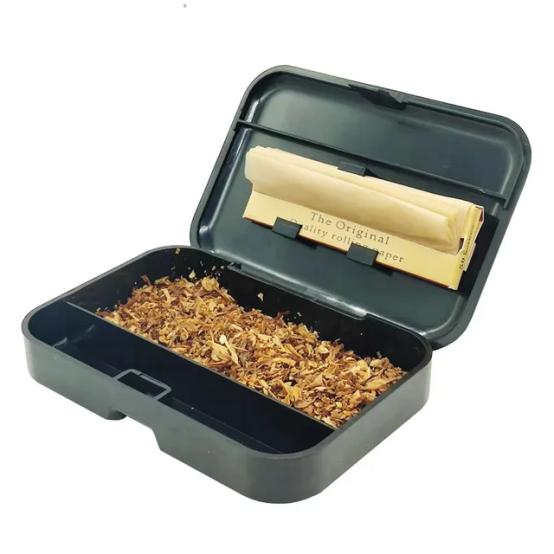
Investing in airtight containers, small boxes, or resealable pouches can shield your rolling papers from moisture. For highly humid environments, include a small desiccant packet to absorb excess moisture without affecting the paper.
Segregate by Type
Store different types of papers—such as raw, clear, or flavored—separately. This prevents cross-contamination of flavors and allows you to monitor each paper type’s condition more effectively.
Rotate and Monitor
Regularly check your stock for signs of humidity damage, such as curling edges, stickiness, or cracks. Rotate older papers to the front to ensure use before quality deteriorates.
Practical Tips for Travel and On-the-Go Storage
Travel Pouches: Use small, airtight pouches to carry papers when hiking, camping, or commuting.
Mini Desiccant Packs: These can help regulate moisture in backpacks or pockets.
Avoid Direct Sunlight: Sun exposure can heat papers unevenly, drying them out or warping them.
Keep Away from Liquids: Even small spills can make papers unusable, so always place them in a separate waterproof compartment.
Why Proper Storage Matters
Consistent Rolling Experience
Humidity-controlled papers are easier to handle, less prone to tearing, and produce a consistent burn every time.
Flavor Preservation
Maintaining papers in optimal conditions prevents off-flavors or alterations in taste that moisture or dryness can cause.
Waste Reduction
By storing papers properly, you reduce the risk of damaging batches and avoid wasting money replacing unusable papers.
FAQ
Q1: Can rolling papers survive extreme humidity?
A1: Not without protective storage. Extreme moisture or dryness will compromise the paper’s integrity, so airtight containers and desiccants are highly recommended.
Q2: Should flavored papers be stored differently than plain papers?
A2: While the principles are similar, flavored papers may be slightly more resistant to humidity but should still be stored separately to maintain their flavor.
Q3: How long can rolling papers stay fresh if stored correctly?
A3: With optimal humidity and temperature control, rolling papers can stay in good condition for months or even years.