Biodegradable PLA Filter Paper vs Traditional Cellulose Acetate Filter Paper: A Complete Environmental and Performance Analysis

As global attention shifts toward sustainability, biodegradability has become a critical metric for evaluating the environmental value of consumer products. Beyond plastic bags, cutlery, and packaging, many everyday disposable materials are also under scrutiny, including filter paper.
Filter paper plays an essential role in various fields such as coffee brewing, cigarette filtration, and laboratory testing. With growing restrictions on single-use plastics and increasing concerns over microplastic pollution, PLA (Polylactic Acid) biodegradable filter paper is emerging as a promising alternative to traditional cellulose acetate filter paper.
This article breaks down the core differences between these two types of filter paper from four perspectives: material composition, performance characteristics, environmental impact, and real-world applications.
Why Filter Paper Material Matters: From Usage to Environmental Impact
Filter paper was originally designed to trap particles and impurities, but its environmental footprint extends far beyond the point of use. The material determines how it behaves during and after its lifecycle:
In cigarette filters, filter paper directly affects particle intake.
In coffee brewing, it influences flavor clarity, extraction efficiency, and cleaning ease.
In industrial and laboratory environments, it impacts precision and process stability.
For decades, cellulose acetate filter paper has dominated the market due to its durability and low production cost. However, growing environmental regulations and carbon reduction goals are pushing industries to reconsider its use.
Raw Material Origins: Fossil-Based vs Plant-Based Structures
The performance and environmental characteristics of filter paper are largely determined by its raw material source and molecular structure.
1. Cellulose Acetate Filter Paper
Cellulose acetate is a semi-synthetic material derived from natural cellulose but heavily reliant on petrochemical processing. Its advantages include:
Uniform structure and stable pore size
High wet strength
Mature, low-cost production
Its major drawback is its lack of biodegradability. It can take centuries to decompose in landfills, releasing persistent microplastics that contaminate soil and water systems.
2. PLA Filter Paper
PLA is produced through the fermentation and polymerization of plant-based starches such as corn and sugarcane. Its key features include:
Lower carbon emissions and reduced life-cycle impact
Complete biodegradation within approximately 180 days in industrial composting environments
Tunable pore size and wet strength through molecular design
However, PLA production currently carries a slightly higher cost, and its moisture resistance is lower than cellulose acetate in extreme industrial conditions, requiring further material optimization.
Performance Comparison: Can PLA Meet Mainstream Application Standards?
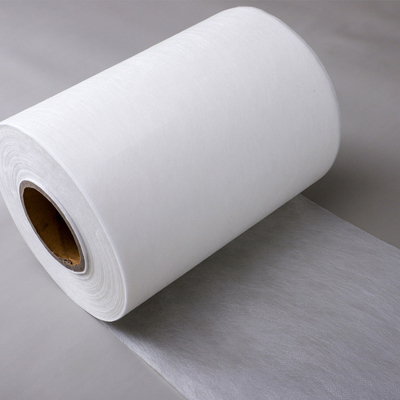
PLA’s environmental advantages are clear, but its adoption depends on whether it can match or surpass the performance of cellulose acetate in real-world scenarios.
1. Wet Strength
Standard tensile strength tests show that PLA’s performance under both dry and wet conditions is comparable to cellulose acetate. It holds up well during short-term applications like coffee brewing and cigarette filtration. For prolonged exposure to high humidity or soaking in industrial processes, modifications can enhance its performance.
2. Filtration Efficiency
PLA demonstrates slightly better fine particle retention, particularly for PM2.5, while performing similarly to cellulose acetate for larger particles such as coffee grounds. PLA is free from petrochemical additives, resulting in a cleaner sensory experience in beverage and tobacco applications.
3. User Experience
PLA filter paper has strong flexibility and is less prone to tearing. It produces less smoke during combustion and is compatible with existing brewing and rolling equipment. For most consumers, the user experience is virtually indistinguishable from traditional materials.
Environmental Impact: Life-Cycle Assessment and Hidden Costs
The environmental impact of filter paper extends across production, use, and disposal phases.
1. Production Stage
Carbon emissions from cellulose acetate production are approximately 2.5 times higher than PLA.
PLA manufacturing has a smaller environmental footprint, with lower CO₂ output and fewer harmful by-products.
2. Usage Stage
PLA’s smooth surface is easier to clean, reducing secondary contamination.
Cellulose acetate tends to retain residues, increasing water and detergent use during cleaning.
3. Disposal Stage
PLA can biodegrade within six months in industrial composting facilities.
Cellulose acetate can persist in landfills for hundreds of years, continuously releasing microplastics.
These differences mean that, over its entire lifecycle, PLA filter paper imposes a significantly lower environmental burden.
Practical Applications: Beyond Eco-Friendly Marketing
Coffee Brewing
Many coffee brands are adopting PLA filter paper to replace traditional single-use filters. It meets extraction standards, improves sustainability, and aligns with emerging plastic restrictions in the United States and Europe.
Cigarette Filters
Younger consumers are showing a strong preference for eco-friendly products, and PLA-based cigarette tips are gradually replacing cellulose acetate filters in certain markets. This trend reflects both environmental awareness and regulatory pressure.
Industrial and Laboratory Use
While PLA’s performance still faces challenges in high-corrosion and high-temperature environments, ongoing research and modification are expanding its applications. Several U.S.-based manufacturing facilities have already begun pilot programs to integrate PLA filters.
Future Outlook: Sustainability and Performance Can Coexist
The rise of PLA filter paper is not just a temporary marketing trend. It reflects a structural shift in materials science and environmental policy.
For consumers, this means access to eco-friendly products without compromising performance.
For companies, it means the need to invest early in sustainable material adoption and scale production to reduce costs.
For regulators and industry stakeholders, it represents a practical path toward reducing plastic pollution.
Conclusion: A Small Piece of Paper with a Big Environmental Impact
Though small in size, filter paper is closely tied to critical issues like carbon emissions, microplastic pollution, and sustainable product design. PLA filter paper marks a key step in the green transformation of single-use materials.
It is not just a replacement for cellulose acetate—it’s a shift toward a more sustainable, circular economy.