The World’s Most Expensive Rolling Papers: Luxurious Indulgence or Irrational Spending?

Rolling papers are typically everyday consumables—priced from a few cents to a few dollars per pack. Yet in recent years, a small niche market has pushed prices into the realm of luxury goods, with certain rolling papers costing hundreds or even thousands of dollars. Some claim these ultra-premium products elevate craftsmanship and smoking experience to an art form. Others argue the price is nothing more than hype.
This article breaks down what truly makes luxury rolling papers expensive—and whether the premium is justified.
Table of Contents
1. The “Luxury DNA” Behind High-End Rolling Papers
While standard rolling papers focus on basic functionality—easy to roll, slow to burn—luxury editions push the limits in materials, craftsmanship, and added value. These factors are what drive prices into the stratosphere.
1.1 Rare and Ultra-Costly Raw Materials
Premium rolling papers often use fibers that are scarce, difficult to harvest, or expensive to process.
• Rare botanical fibers
Some high-end papers are made from inner palm fibers found only in small tropical regions. These fibers require delicate hand-peeling to preserve elasticity. The raw materials alone can cost more than 50 times the price of ordinary wood pulp.
• Precious metal micro-coating
A handful of luxury papers use food-grade gold or silver leaf as an ultra-thin burn-control layer. Beyond aesthetics, these micro-coatings stabilize flame spread and create extremely even, slow burns. But the cost of the metalwork can push production past $100 per square meter.
• Natural fragrance infusions
Premium brands sometimes infuse fibers with ingredients such as Madagascan vanilla or Cuban tobacco extract. This requires precise environmental control during processing, raising costs further while adding an aromatic signature.
In standard rolling papers, material cost is typically 10–20% of retail price. For luxury products, raw materials can account for 60% or more.
1.2 Handcrafted Production and Strictly Limited Batches
Luxury rolling papers intentionally reject mass production.
• Hand cutting with tight tolerances
Artisans trim each sheet by hand, maintaining ±0.1 mm accuracy. Some brands even offer customized dimensions for clients, turning rolling paper into a tailored product.
• Limited-edition releases
Many luxury sets are produced in quantities of 500–1,000 units, each box accompanied by a certificate showing material origin, production date, and artisan signature. Scarcity itself becomes a value driver.
• Opulent packaging
Some editions arrive in rosewood or walnut cases lined with silk or suede. In extreme cases, gemstone-inlaid boxes cost more than the rolling papers inside.
These hand-finished, low-volume production practices make them closer to collectible art objects than disposable smoking supplies.
1.3 Added Value: Culture, Social Signaling, and Health Claims
For many buyers, the appeal extends beyond function.
• Artistic collaborations
Rolling papers printed with exclusive artwork, cultural icons, or heritage patterns turn each sheet into a micro-canvas. Licensing fees drive prices even higher.
• Social-status signaling
In high-end lounges and private parties, pulling out a luxury rolling paper subtly communicates taste and lifestyle. Surveys indicate that 40% of luxury rolling-paper buyers purchase them primarily for social occasions.
• Purity and safety positioning
Some brands highlight “ultra-clean burning” or “food-grade certification,” presenting themselves as healthier alternatives. While these claims are partially valid, critics note that the contents being smoked—not the paper—remain the primary source of combustion byproducts.
2. Supporters vs. Critics: Is It Worth the Price?
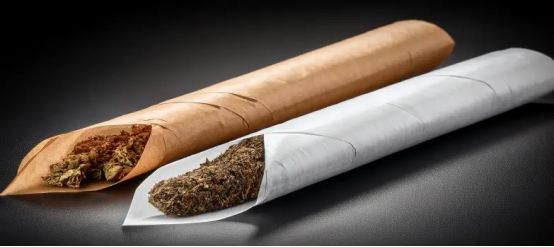
2.1 The Case for Luxury Rolling Papers
• A clearly elevated experience
Users often praise the durability, smooth rolling, stability, and natural aroma of premium fibers. For enthusiasts who obsess over details, the refinement feels meaningful.
• Identity and lifestyle expression
Luxury rolling papers serve as a subtle accessory for those who value understated status symbols.
• Collectibility and resale value
Limited-edition runs sometimes increase in value over time, especially when tied to art or cultural collaborations.
2.2 The Case Against Them
• No essential functional upgrade
For most consumers, standard papers already meet all practical needs. Blind tests show many people cannot reliably distinguish premium options from moderately priced alternatives.
• Price inflated by non-functional factors
Decorative boxes, certificates, and branding can make up the majority of the cost—meaning buyers are often paying for presentation, not performance.
• Exaggerated health claims
Even the purest paper cannot change the inherent combustion behavior of what is being rolled inside.
3. A Rational Perspective: Match Spending to Your Actual Needs
Luxury rolling papers exist because of consumer segmentation. They’re neither inherently foolish nor universally necessary.
Before spending premium prices, ask:
- Do you want improved craftsmanship and aroma?
- Do you value status or collectibility?
- Or do you simply need reliable everyday papers?
For everyday use, many mid-tier or pre-rolled options offer excellent value without unnecessary premiums—such as 110mm wood-pulp pre-rolled cones that combine convenience with quality.
You can find them here:
110mm Wood Pulp Pre-Rolled Cones
4. Conclusion: Luxury or Excess—The Value Is Personal
Ultra-expensive rolling papers reflect niche demand: part craftsmanship, part cultural identity, part scarcity-driven luxury. Whether they are a refined indulgence or irrational overspending depends entirely on how much you value the intangible aspects—culture, experience, craftsmanship, and identity.
And for most people, practical and well-made options—like tropical fruit–infused gold-tipped pre-rolled cones—deliver excellent performance without the high markup.
See them here:
Tropical Fruit Gold-Tipped Pre-Rolled Cones
Ultimately, smart spending means paying for the value you recognize—not the hype others try to sell.