Sustainable Packaging in Rolling Papers: What’s Changing in 2025

As someone who has been rolling my own cigarettes for more than five years, I used to burn through at least two packs of disposable rolling papers every week. Last year, while cleaning out a drawer, I realized that empty packaging and leftover sheets had piled up to fill almost half a compartment. After doing some research, I discovered that over 8,000 tons of packaging waste are generated every year from disposable rolling papers worldwide. Most of this waste comes from non-degradable wood pulp paper boxes, which also release harmful pollutants when incinerated.
If you, like me, enjoy the ritual of hand-rolling but also care about whether your habits are adding to the planet’s burden, then the packaging revolution happening in 2025 might completely change the way you choose your papers. This article doesn’t just repeat empty “eco-friendly” slogans—it highlights real usage experiences, new industry innovations, and concrete product examples to help you find rolling papers that are both practical and low-impact.
Why Do We Even Need Sustainable Rolling Paper Packaging?
A Reddit user once complained: “Every time I take rolling papers camping, the packaging either gets ruined in the rain or the leftover sheets scatter everywhere in my bag. I end up tossing them out—wasteful and frustrating.”
That frustration actually points to two core problems—exactly what sustainable packaging in 2025 aims to solve:
1. The Double Waste of Disposable Packaging
Traditional rolling papers usually come in a thin plastic wrap plus a paper box. Once opened, the plastic can’t be recycled, and the paper box—often contaminated with tobacco crumbs—rarely gets reused. Based on my own use, the packaging itself makes up over 40% of the product’s total volume. In other words, for every 10 papers you use, you’re creating one chunk of non-recyclable waste. According to the 2024 Global Tobacco Packaging Sustainability Report, the recycling rate for this kind of packaging is below 5%, with most ending up in landfills where it takes 2–3 years to decompose.
2. Eco-Friendly Shouldn’t Mean Hard to Use
I’ve tried some “biodegradable” rolling papers in the past, and while the packaging was technically compostable, it turned soggy at the slightest hint of moisture. The papers inside clumped together and became unusable. Other so-called eco-packages were impossible to open without scissors. It’s no wonder so many people give up on eco options: “I want to protect the planet, but not make my life harder.”
The good news is that in 2025, sustainable packaging trends are focused on fixing exactly these pain points: low-carbon and more durable, convenient, and user-friendly.
The 3 Biggest Shifts in Sustainable Rolling Paper Packaging (with Real Product Examples)
Not every package stamped with a green logo deserves your money. Real sustainability in 2025 comes down to three standards: low-carbon materials, functional design, and reusability.
Here are the three changes worth noticing:
1. Material Upgrades: From “Biodegradable” to “Reusable”
Until 2024, brands competed over how quickly packaging could biodegrade. But in 2025, the focus has shifted to reducing the number of times packaging needs to be used in the first place.
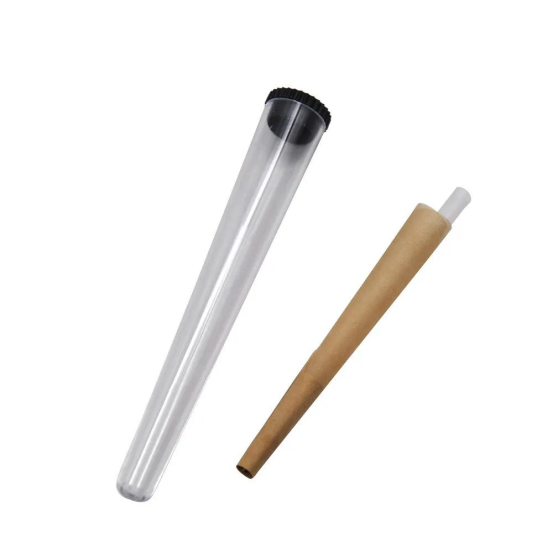
Take the Gorilla Series Reusable Rolling Tube (link), which has completely changed my habits. Instead of a disposable sleeve, it’s made from food-grade PETG fiber and is designed for repeated use.
Durability: I use it daily, wash and dry it, and after three months it hasn’t warped or retained odor. The manufacturer claims one tube can replace at least 50 disposable packs.
Sustainability: At my rate of use, that means cutting down 24 disposable packs a year—saving about 1.2 kg of packaging waste.
Practicality: It’s the same size as a standard pack of papers, seals tightly with a cap, and keeps everything dry when camping or traveling.
Unlike biodegradable packaging, which still follows the “use once, throw once” model, reusables tackle waste at the source. This is why the industry now considers it the more advanced sustainability solution.
2. Smarter Design: Cutting Waste Without Cutting Features
Traditional rolling paper boxes often overdo it: plastic wrapping, flashy printing, and sometimes even multiple inner packs for just 24 sheets. The 2025 trend is simplification without compromise.
One brand I tested switched to single-material packaging: a recyclable kraft paper box with a food-grade wax coating inside for moisture protection. No plastic film, and it opens with a resealable pull tab. Leftover papers stay fresh, and the box can be recycled directly.
The Gorilla reusable tube packaging follows the same “less is more” philosophy. Instead of unnecessary print, it uses a simple embossed logo. The outer case is recyclable polypropylene, which I now reuse as a storage case for filters—no waste at all.
3. Building a Low-Carbon Ecosystem
In 2025, sustainability doesn’t stop at packaging—it extends across the entire smoking kit. For example, the Gorilla tube is part of a product ecosystem that includes:
Cornstarch-based biodegradable filters that fully break down in soil within a month.
Glass storage jars that replace plastic containers for tobacco, keeping contents fresh and reusable long-term.
Instead of leaving users to cobble together eco-friendly accessories from multiple brands, this all-in-one system creates a practical, low-carbon routine.
How to Choose the Right Sustainable Rolling Paper Packaging in 2025
Having tested more than a dozen eco options, I’ve narrowed it down to three practical rules anyone can follow:
Measure Actual Waste Reduction, Not Just Buzzwords
Don’t be fooled by vague claims like “eco-friendly” or “biodegradable.” Ask: “How many times will this prevent me from throwing something away?” For example, Gorilla clearly states that one tube replaces 50 disposables—a quantifiable benefit.
Choose Products That Solve Your Real Pain Points
If you’re outdoors a lot (camping, fishing, festivals), pick something waterproof and durable like the Gorilla tube. If you mostly roll at home, simple recyclable kraft packaging might be enough. Sustainability should never feel like an inconvenience—it should solve problems you already have.
Check Real User Reviews Before Buying
Before investing, I always scan Amazon or brand websites for reviews. Look for feedback on durability, convenience, and whether the packaging really holds up in daily use. For instance, some biodegradable options are too fragile, while the Gorilla tube consistently gets praise for being sturdy and easy to clean.
The Bigger Picture: Small Choices, Big Shifts
At first, I thought switching to reusable packaging was just about producing a little less trash. But then I read Gorilla’s user survey: based on customer feedback, they upgraded their tube’s lifespan from 30 uses to 50. That means consumer choices are directly influencing better sustainable designs.
If you’re curious about the 2025 shift, start with the Gorilla Reusable Rolling Tube or share your own eco-friendly rolling hacks in the comments. Sometimes, the biggest industry changes begin with small habits adopted by everyday users.