Rolling Paper: From Ancient Egypt to Modern-Day Innovation

Though small and unassuming, rolling paper has a surprisingly long and fascinating history. From its origins in ancient Egypt to the highly specialized, flavored, and organic varieties of today, this sheet has evolved alongside human needs and habits. Understanding this evolution not only offers a glimpse into cultural trends but also helps enthusiasts select the right type for their lifestyle.
Table of Contents
Ancient Egypt: The Origins
The earliest known form of rolling paper dates back over a thousand years before the common era in ancient Egypt. At the time, no specialized rolling paper existed for wrapping plant material. People used reeds, palm leaves, and other pliable plant materials as a primitive form of rolling paper to bundle and smoke herbs.
While these early rolling papers differed from modern techniques, they established the fundamental principle: using thin, flexible material to contain combustible substances safely. Originally, these sheets were primarily used in ceremonial or daily rituals, but the concept laid the foundation for future rolling paper innovation.
16th–19th Century: From Handmade Sheets to Mass Production
By the 16th century, tobacco had become increasingly popular in Europe. Smokers improvised with available paper, including newspaper edges, book pages, and envelopes. These materials often carried ink residues or burned unevenly, compromising the smoking experience.
The 19th century marked a turning point. French manufacturers began producing dedicated sheets using flax fibers or wood pulp, creating thin, durable sheets that burned cleanly. Mass production made them widely accessible, shifting from an improvised solution to a consumer product. Early papers were simple white sheets, emphasizing function over style, and sold in convenient booklets for portability.
20th Century: Functional Enhancements
With the 20th century came increased demand for performance and reliability. Manufacturers introduced functional improvements:
- Slow-burning sheets extended smoking sessions by incorporating materials that moderated combustion.
- Lightly water-resistant options ensured the sheets did not lose integrity during handling, even when fingers were damp.
- Size variations catered to different user preferences, from small rolls for minimal tobacco to larger sheets for bigger smokes.
During this period, papers remained primarily utilitarian, focusing on enhancing the experience without altering flavor.
Modern Day: Personalization and Variety
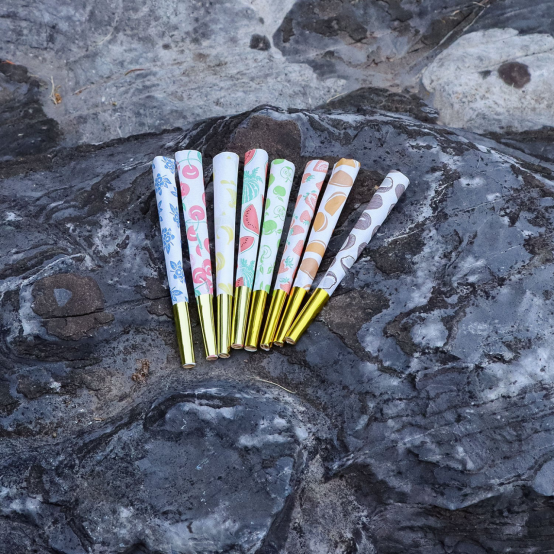
Today’s sheets reflect both technological advancement and consumer desire for individuality. Modern varieties include:
- Flavored types: Strawberry, mint, and cherry options add subtle aroma and taste to the smoking experience.
- Transparent designs: Made from cellulose, they provide a visually unique roll, appealing to aesthetic-conscious users.
- Organic and hemp-based materials: Using natural fibers and minimal additives, these cater to health-conscious enthusiasts.
Additional innovations include pre-rolled cones, built-in filters, and oversized sheets for larger blends. Online and retail availability ensures anyone can access high-quality, specialized options conveniently. For example, explore a wide selection at the premium Rolling Papers collection, covering everything from classic white sheets to flavored, organic, or transparent styles.
Choosing the Right Option
Selecting the right type involves considering several factors:
- Material: Hemp, rice, or wood pulp papers each offer distinct burning characteristics and taste neutrality.
- Size: Sheet size impacts how much tobacco or herbs can be rolled, influencing smoking duration.
- Purpose: For casual use, standard sheets may suffice; enthusiasts may prefer flavored or slow-burning types for a customized experience.
- Ease of Use: Beginners may benefit from pre-rolled cones or built-in filters to simplify rolling.
By matching type to personal preference and usage habits, users can optimize both flavor and convenience.
A Cultural Lens
Beyond function, rolling sheets have become a form of self-expression. Choices in material, flavor, and style reflect user preferences, creativity, and lifestyle. What may once have been a practical necessity has transformed into a cultural accessory, blending utility with personal identity.
Summary
From ancient Egyptian reeds to modern flavored, transparent, and organic options, the evolution of rolling sheets illustrates how a simple tool can adapt to meet changing preferences while retaining its core function. Today, the right sheet offers both performance and a medium for self-expression.
Explore the latest and most popular options online at the premium Rolling Papers collection to find the perfect style, material, and size to suit your taste. Whether you prefer classic, organic, or flavored varieties, there’s a choice for every enthusiast.