How to Save Herb Using Rolling Paper: The Corner Light Method

As someone with over eight years of hand-rolling experience, I used to be haunted by two recurring problems: first, every time I rolled a joint, I wasted at least one-fifth of my herb—spilling it during spreading or losing it during the roll. Second, I couldn’t find the right rolling papers—some were too fragile and tore easily, others burned too fast and ruined the flavor.
That all changed three years ago when I learned what I now call the “Corner Lighting Method.” Combined with the right choice of rolling papers, it immediately boosted my herb efficiency by about 30%. My joints started burning more evenly, and the flavor became noticeably smoother. Today, I’ll share my personal experience, key techniques, and real user feedback to show how you can make every bit of your herb count with the perfect lighting and paper combo.
I. Corner Lighting + Choosing the Right Rolling Papers: End Waste for Good
When I first started rolling, I always worked under a bright desk lamp. The direct light bounced off the herb, making it hard to see how evenly it was spread. I tore papers often, wasted herb, and ended up frustrated.
The cheap rolling papers I used—those you can find at a convenience store—were thin and brittle. A little pressure would tear them, and I had to sweep the spilled herb back up each time, losing even more in the process.
Then one evening at a friend’s apartment, I rolled my joint in a corner lit by the soft daylight filtering through the curtain. Surprisingly, I could see everything better—the spread of the herb, the paper’s edges, and the density of the roll. I barely spilled any, and the finished joint was compact and even. From that day on, I switched to rolling in “corner light”: soft, diffused light coming from a single direction, like a shaded lamp or filtered daylight. After a few tries, I realized I was wasting half as much herb as before.
But lighting alone wasn’t the full solution. The real breakthrough came when I started choosing better rolling papers. After switching to high-quality hemp rolling papers, I noticed they had better grip, even thickness, and enough flexibility not to tear. The fibers let me see the herb distribution more clearly while rolling. With those papers, saving enough herb from three to four sessions easily added up to an extra full joint.
Reddit and Amazon users have reported similar results. One reviewer said, “Using durable rolling papers and soft lighting reduced my herb waste and slowed the burn by 10%.” Another noted that “lightweight organic papers paired with corner lighting bring out the natural aroma without any paper taste.” Even experienced rollers on forums agree: the combination of “controlled lighting + reliable paper sourcing” saves beginners months of frustration.
II. Lighting Technique + Paper Selection: Double Efficiency
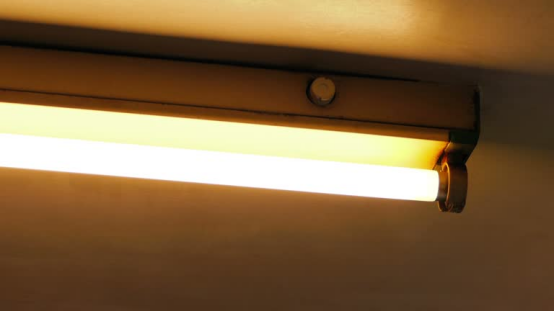
1. How to Apply the Corner Lighting Method
Many people assume “controlled lighting” means rolling in darkness. In truth, the goal is to avoid glare and embrace soft light. Follow these three simple steps:
Light selection: Choose soft, indirect light—filtered daylight through a curtain or a 15-25-watt desk lamp. The brightness should let you see the herb granules clearly without glare. Avoid midday sunlight or multiple light sources that cast uneven shadows.
Positioning: Sit at a 45-degree angle to your desk. Keep the rolling paper near the corner, and tilt your head so your eyes are directly above the paper. This angle helps you see the herb’s thickness and keep the spread even. Aim for enough herb to see the edges but not so much that it spills.
Tools: Use a soft-bristled brush—something like a small makeup brush—to distribute herb evenly without your fingers sticking to it. Lay a light-colored towel on your work surface to catch any loose bits, making it easy to recover every speck.
2. Choosing the Right Rolling Papers for Every Situation
Not all papers are made equal. Pick according to your level and preferences:
For beginners: Choose durable rolling papers with a bit of grip or adhesive. Grid-patterned papers provide traction and make it easier to roll evenly. The mild stickiness helps seal the joint without tearing, preventing waste and speeding up the learning curve.
For flavor enthusiasts: Choose slow-burning, unbleached, or organic rolling papers made from natural fibers. They produce minimal paper taste and allow your herb’s aroma to shine. Burn rate improves by 5–8%, reducing ash and conserving more herb per session.
For style seekers: Try flavored rolling papers (cherry, mint, etc.), transparent papers, or pink-tinted ones. Just make sure the flavoring comes from natural extracts so it complements rather than overpowers the herb. For travel or outdoor use, king-size rolling papers are great—they’re durable, easy to roll, and hold more herb.
III. Common Mistakes That Waste Your Herb
Even seasoned rollers make simple mistakes that lead to waste. Here are three habits to avoid:
Mistake 1: “Brighter light = better visibility.”
Too much light causes glare, making the herb appear as a bright patch where you can’t judge thickness. It also strains your eyes, reducing focus. Soft corner lighting works better for precision.
Mistake 2: “All rolling papers are the same—cheap is fine.”
Low-quality papers tear easily, burn unevenly, and may contain excessive glue or chemicals that alter the flavor. Worse, the uneven burn forces you to relight or toss half a joint. A $1 pack of thin papers often wastes more herb than a quality pack from salerollingpapers.com/product.
Mistake 3: “Pack as much herb as possible.”
Overfilling stretches the paper and increases the chance of tearing. Even if it holds, the burn becomes uneven—the outer paper burns while the inner herb stays raw. Fill only until the paper edges fold comfortably together without bulging; that ensures a smooth, even burn.
IV. Small Tweaks, Big Savings
Saving herbs doesn’t require complex tools or high-end gear. All it takes is consistent practice with the corner lighting method and the right rolling papers. Beginners should go for durable, adhesive papers; flavor lovers should try organic or unbleached types; and style enthusiasts can experiment with flavored or colored options.
After three years of applying this method, I’ve saved nearly 10% of my annual herb use—equivalent to one or two extra packs per year. More importantly, it’s made rolling more enjoyable.
A coworker new to rolling tried this combination and cut his herb waste by 60% within a week. He said, “Rolling used to stress me out; now it’s something I look forward to.” Even a friend who sells herb accessories told me that many of his long-term customers ask for ways to conserve herb, and he recommends nearly the same approach: control your light, and choose your paper wisely.
If you’ve found your own conservation tricks or want advice for specific rolling issues—like uneven burns or loose seals—share them in the comments. The true joy of hand-rolling isn’t just in smoking but in mastering the craft, right down to using every bit of herb efficiently.