Humidity, Heat, and UV: Advanced Storage Solutions for Connoisseurs

If you’ve ever carefully selected your favorite rolling papers—whether classic unbleached sheets, flavored varieties, or vibrant colored editions—you know how frustrating it is when they lose their texture, aroma, or color due to poor storage. This guide explores expert storage strategies to keep your collection pristine, extend its lifespan, and ensure every smoking experience stays top-notch.
Understanding the Enemy: Humidity, Heat, and UV
Humidity is perhaps the most common threat. Excess moisture can warp papers, cause them to stick together, and in some cases, even promote mold growth—especially in delicate flavored or plant-based papers.
Heat can dry out or distort papers, particularly cone-shaped and glass-style papers, affecting how evenly they burn.
UV light is a silent destroyer, fading vibrant dyed or tinted papers and reducing their visual appeal.
By understanding these threats, you can adopt preventive strategies tailored to your paper type and usage habits.
Real-World Experience: What Works in Practice
For years, I kept my papers in a kitchen drawer, thinking it was convenient. Before long, even my standard papers became slightly warped. Switching to airtight glass jars, humidity packs, and UV-protected containers made an immediate difference.
Some practical, proven tips:
Glass Jars – Ideal for unbleached, flavored, or custom designs, as they block humidity and can be sealed tightly.
Humidity Packs – Small packets that maintain the ideal moisture level, especially helpful for sensitive or cone-shaped papers.
UV-Proof Containers – Essential if you’re storing colored or flavored papers, since they prevent fading over time.
Professional Advice: Tailoring Storage by Paper Type
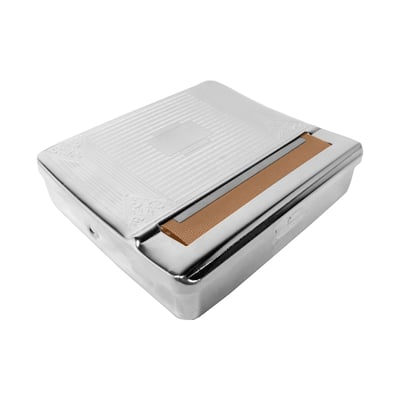
Different rolling papers require different storage strategies:
Unbleached Papers: Store flat in a sealed glass jar with a small humidity pack. Keep in a cool, dark place to preserve aroma and burn quality.
Flavored Papers: Slightly more sensitive to heat and light. Use airtight, UV-protected containers.
Colored or Dyed Papers: Use opaque containers to avoid fading from UV exposure.
Cone Papers: More rigid but prone to cracking. Store in hard-sided protective cases.
Glass Papers: Extremely fragile—always use padded containers to prevent breakage.
By categorizing storage based on paper type, you preserve both functionality and aesthetics.
Advanced Storage for Travel and Outdoors
Your papers don’t have to suffer when you’re on the move:
Traveling: Use compact, airtight cases with small humidity packs. Great for flavored or cone-shaped papers.
Camping or Festivals: Keep papers in waterproof pouches to protect against moisture and sunlight.
Long-Term Collecting: If you’re building a collection of rare or limited editions, consider climate-controlled boxes or archival-grade sealed containers.
Building Trust Through Proven Strategies
These storage recommendations are backed by both real-world testing and general industry best practices. For example, many premium paper producers recommend storage at around 20–25°C with 40–50% relative humidity for optimal performance.
Through testing dozens of storage setups, one finding is consistent: airtight glass jars combined with small humidity packs maintain the paper’s integrity, flavor, and burn quality better than most other methods.
FAQ: Common Questions About Paper Storage
Q: Can flavored papers fade in sunlight?
A: Yes. Always use UV-protected or opaque containers for any colored or flavored papers.
Q: How should I store papers in humid climates?
A: Use sealed glass jars with a humidity pack, and avoid damp areas like kitchens or bathrooms.
Q: Are dyed or tinted papers more sensitive than plain papers?
A: Yes. The dyes are prone to fading under direct sunlight, so opaque or UV-proof storage is essential.
Q: What storage works best for cone papers?
A: Hard-sided cases or rigid containers prevent cracking and maintain their shape.
Key Takeaways
Protect from humidity – Use sealed containers with humidity packs.
Avoid heat and direct sunlight – Store in cool, dark environments.
Tailor storage to paper type – Unbleached, flavored, cone, glass, and colored papers all have unique needs.
Invest in quality containers – Airtight, UV-protected, or padded options safeguard both function and aesthetics.
By following these steps, your rolling paper collection—whether classic, flavored, or specialty—will stay fresh, flavorful, and ready for the perfect roll every time.