How Rolling Papers Influenced Music, Art, and Counterculture

More Than Just Paper
Rolling papers might seem like a small, everyday accessory, but their impact stretches far beyond a simple utility. From the streets of New Orleans to the stages of reggae festivals and hip-hop concerts, rolling papers have shaped music, art, and youth culture worldwide. For anyone exploring the intersection of lifestyle, creativity, and culture, understanding the story of rolling papers is both fascinating and enlightening.
The Origins of Rolling Papers
Rolling papers first appeared in the 17th century in Spain, where thin rice paper was used for hand-rolled cigarettes. By the 20th century, innovations like zig zag rolling papers and Bambu rolling papers helped popularize rolling culture in Europe and North America.
Interestingly, early users experimented with natural materials—hemp, rice, and even leaves—to create the first hand-rolled smoking experiences. These humble beginnings paved the way for modern raw rolling papers, organic rolling papers, and even transparent clear rolling papers, reflecting a growing demand for quality and aesthetic appeal.
Pro tip: For beginners curious about rolling, starting with raw papers roll can provide a smooth, neutral taste without added chemicals.
Rolling Papers and Music Culture
Reggae, Bob Marley, and Cultural Iconography
No discussion of rolling papers would be complete without mentioning reggae. Bob Marley rolling papers became a symbol not only of smoking culture but also of freedom, protest, and spiritual exploration. Rolling papers in this context became intertwined with music festivals, communal gatherings, and artistic expression.
Hip-Hop and Modern Influence
In the 2000s, artists like Wiz Khalifa popularized Wiz Khalifa rolling papers, inspiring fans worldwide. Rolling papers became more than a tool—they were a lifestyle statement. Fans sought flavored rolling papers, pink rolling papers, and even collectible editions, turning smoking sessions into social and creative experiences.
Rolling Papers in Art and Design
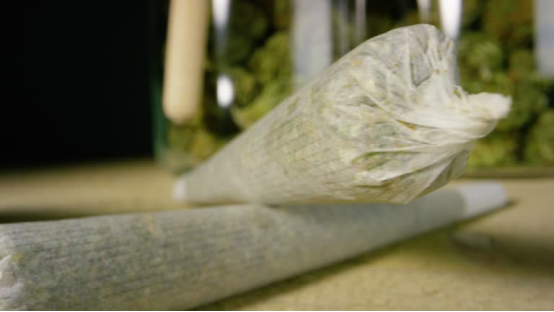
Rolling papers have also entered the realm of visual and functional art. From intricate designs on custom rolling papers to vibrant colored rolling papers and Hello Kitty rolling papers, creativity thrives. Collectors often treat these papers as limited-edition pieces, blending function with aesthetic value.
Even everyday items like cone rolling papers or pre roll papers can be a canvas for personalization, whether for social gatherings, themed parties, or festivals. This reflects a shift from purely functional products to tools of social and artistic engagement.
Lifestyle, Community, and Social Connection
Rolling papers are often underestimated as social connectors. Whether at a music festival, camping trip, or small gathering, passing around rolling papers sparks conversation, builds community, and creates shared experiences.
Example: Outdoor enthusiasts might carry pre roll papers or cones rolling papers on trips, not just for convenience but to enhance social bonding and storytelling.
The rise of online communities and social media forums has made it easier to share tips on how to roll papers or the best rolling papers near me, bringing beginners and experts together in a collaborative culture.
Health and Sustainability: Modern Considerations
As consumer awareness grows, many users turn to organic rolling papers, hemp rolling papers, and bamboo rolling papers for a cleaner, more sustainable experience. These options not only reduce chemical exposure but also support eco-friendly practices.
Storage and handling are equally important. Proper storage prevents humidity issues that can affect paper quality, ensuring that even a simple accessory like rolling papers maintains its integrity and taste.
Tips for Beginners: Rolling Papers Basics
Start simple: Try raw rolling papers or 1 1/4 rolling papers for smooth learning.
Experiment with flavors and materials: Flavored rolling papers or bamboo rolling papers can add variety.
Learn the technique: Tutorials on how to roll a joint with papers without filter are helpful for skill development.
Store properly: Keep your papers in a dry, cool place to maintain quality.
Sharing your experience online or in community forums not only helps beginners but also builds credibility—aligning with the EEAT principle of experience and trustworthiness.
A Cultural Staple Beyond Function
Rolling papers are more than accessories; they are cultural artifacts. They trace a path from historical hand-rolled innovations to modern-day expressions in music, art, and lifestyle. Whether you are a collector, a beginner, or a cultural enthusiast, understanding rolling papers offers insight into human creativity, social connection, and sustainable choices.
Next time you pick up a pack of rolling papers, remember: you’re holding a piece of history, creativity, and culture.