Adhesive Line Engineering: How Rolling Paper Glue Impacts Airflow and Burn Stability

As someone who has been hand-rolling for more than five years, I’ve learned a crucial lesson: even the best rolling papers can ruin your smoking experience if the glue line isn’t right. Sometimes the joint burns unevenly, sometimes the draw is too tight, and other times the glue itself leaves an unpleasant aftertaste. It took me a while to realize that the small strip of glue along the edge of the paper plays a much bigger role than most people think. That’s exactly what we’ll break down in this article—the science and engineering behind adhesive lines on rolling papers.
Many people choose cigarette rolling papers or tobacco rolling papers based on the material (such as hemp rolling papers or cellulose rolling papers) or the size (like king size rolling papers or 1 1/4 rolling papers). But they often overlook the adhesive strip. The glue’s material, bonding strength, and distribution directly affect seal quality, airflow, and burn consistency. That’s why the same tobacco can taste entirely different depending on the glue line technology used.
My Real Experience: How Bad Glue Wasted Half a Pack of Tobacco
Last year, I bought a pack of trendy clear rolling papers. They looked great—transparent and sleek—but the adhesive was weak. Just a small squeeze and the seam would come loose, letting air leak through. I couldn’t get a proper draw, and the flavor was ruined.
Then I switched to bamboo rolling papers, which had a much stronger glue. But this time, the adhesive layer was so thick that when the burn reached it, the joint stalled and released a bitter, burnt smell.
Once, I even used cone rolling papers with dot-pattern adhesive. When the flame reached the gaps between glue dots, it suddenly flared up and nearly burned my fingers. These experiences taught me that the glue line isn’t just an afterthought. It must be strong enough to hold the seam, thin enough to allow airflow, and stable enough to burn evenly.
The Core of Adhesive Line Engineering: How Material and Structure Shape the Draw
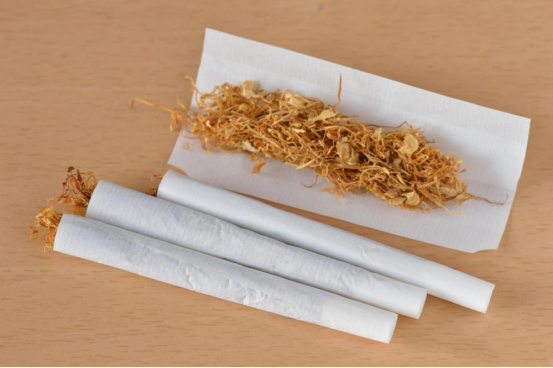
To understand how glue lines affect airflow efficiency, let’s break it down into two key technical factors: ventilation rate and burn stability. Both are controlled by the adhesive material and glue line structure.
1. Adhesive Material: The Foundation of Burn Performance
Modern rolling papers use three main types of glue, each with unique burn and airflow properties:
Starch-Based Adhesives
Common in organic rolling papers and pure hemp rolling papers. These adhesives burn cleanly without affecting flavor. When dry, they form microscopic pores that allow moderate airflow, helping the joint burn evenly. The downside is sensitivity to humidity—if it’s damp, the glue may not stick well.
Plant Resin Adhesives
Popular in alternative rolling papers and healthiest rolling papers. Resin glue is more humidity-resistant and has strong bonding power, ideal for pre roll papers. But if the resin layer is too dense, it can restrict airflow, making the draw feel heavy. Low-quality resin can also produce harmful emissions when burned.
Cellulose Composite Adhesives
Often used in glass rolling papers or high-performance options. This material combines the clean burn of starch with the strength of resin. By adjusting cellulose ratios, manufacturers can fine-tune airflow. For example, rolling papers with tips often use low-density cellulose adhesives to make the draw smoother and more beginner-friendly.
2. Adhesive Structure: Micro-Design That Shapes Airflow
Besides the material, the physical design of the glue line affects how smoke flows:
Glue Line Width
High-quality papers usually have glue widths between 1.2 and 1.5 mm. If the strip is narrower than 1 mm, it can’t seal the seam well and may leak air. Wider than 2 mm, and it can choke the airflow. In my own tests with best rolling papers for health, a 1.3 mm glue line offered smooth airflow, while a 1.8 mm strip made the draw noticeably tighter.
Distribution Pattern
The two main patterns are continuous straight lines and dot patterns.
Continuous lines seal tightly, ideal for slow-burning hemp rolling papers with finely cut tobacco.
Dot patterns leave micro-vents that increase airflow, perfect for users who enjoy denser smoke. However, if the spacing isn’t uniform, the burn can become uneven—like when my cone papers suddenly flared up mid-smoke.
How to Choose the Right Glue Line for Your Rolling Papers
1. For Beginners: Prioritize Strong Seal and Smooth Draw
New rollers often struggle with loose seams and poor burns. Recommended:
Adhesive: Plant resin or cellulose composite (strong and reliable)
Paper type: Rolling papers with tips or pre roll papers (easier to handle)
Avoid: Pure starch glues, which can dry too fast during slow rolling
2. For Experienced Users: Match Glue to Tobacco and Flavor
For unflavored blends like Virginia tobacco: Organic rolling papers or bamboo rolling papers with starch adhesive preserve the pure tobacco taste.
For flavored blends (vanilla, cherry, etc.): 1 1/4 rolling papers with cellulose composite glue offer consistent airflow that balances flavor intensity.
For health-conscious smokers: Healthiest rolling papers or best rolling papers for health with additive-free glue minimize harmful emissions.
3. For Outdoor or Humid Conditions: Go for Weather Resistance
Adhesive: High-density plant resin (humidity-resistant and durable)
Paper type: King size rolling papers (longer glue lines create a more stable seal in windy or damp conditions)
Why Glue Line Design Deserves More Attention
Adhesive line engineering involves more than just “sticky tape.” The glue affects how the paper seals, how air flows through the joint, and how evenly it burns. These factors ultimately determine flavor, smoothness, and how enjoyable each session is.
Many people invest in premium paper, quality filters, or specialty blends—but ignore the adhesive. In reality, a well-engineered glue line can make more difference than a change of tobacco.
Share Your Rolling Paper Experience
Have you ever had a joint fall apart mid-smoke because the glue failed? Or found a brand where the adhesive burns so clean you barely notice it? Share your experience and favorite rolling papers below.
Perfecting the smoking experience isn’t about buying the most expensive option. It’s about choosing the right paper with the right glue line. In the world of rolling, details make the difference.